All Categories
Featured

Why GCC Industrial Diversification Fuels 2026 Growth
Table of Contents
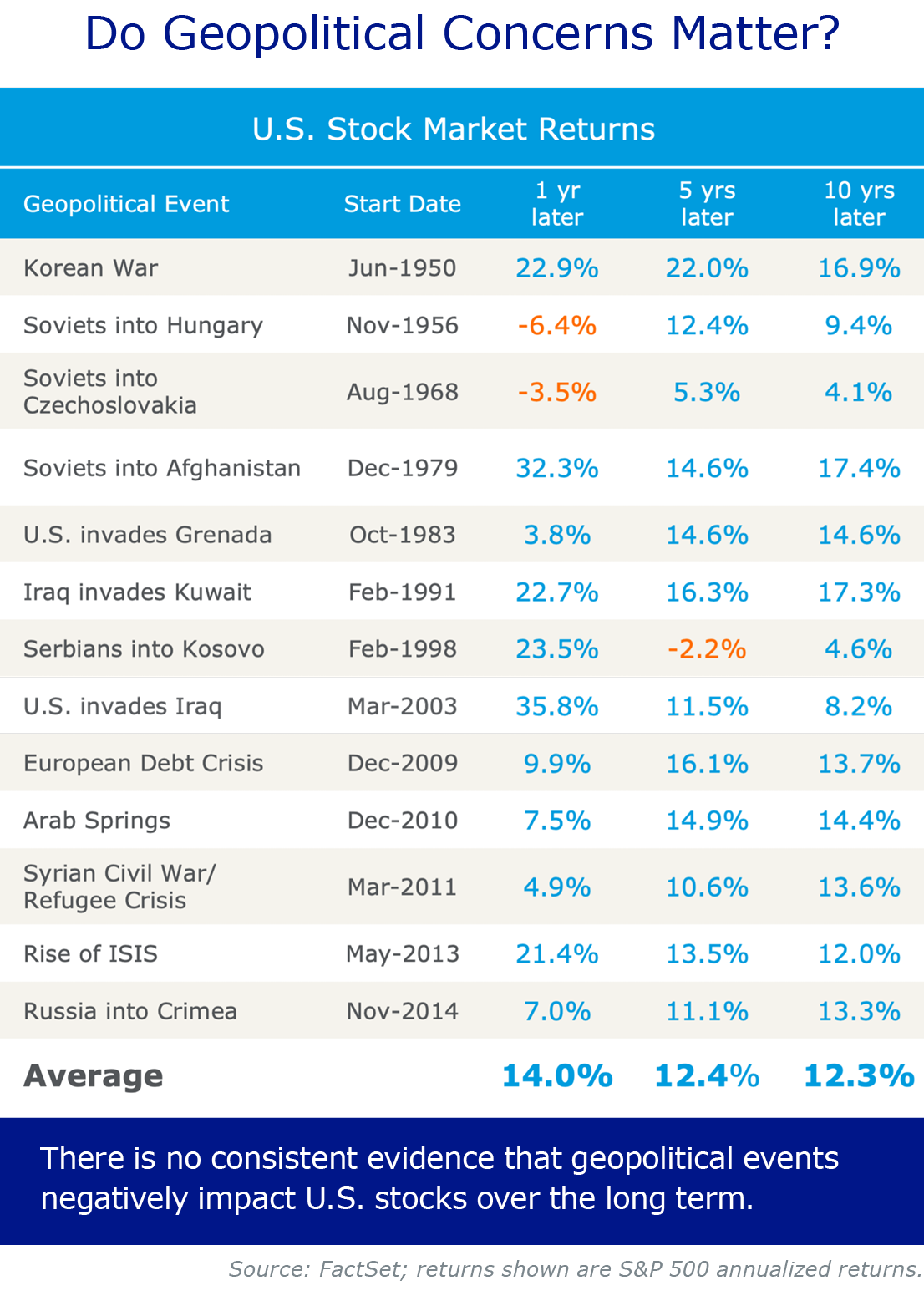
Looking ahead, optimistic forecasts for a healthy IPO pipeline across the Gulf over the next 12-18 months appear. This optimism is buoyed by alleviating geopolitical tensions, which have formerly impacted market confidence. Even normally quieter markets are revealing signs of activity, exhibited by Kuwait's anticipation of a rare convenience-store IPO.
In general, as regional markets continue to develop, they reflect the broader financial and geopolitical stories at play, presenting both challenges and chances for financiers engaging with the Middle East.
Evaluating GCC Investment Incentives vs Global MarketsThe chain impacts of rising stress in the Middle East resulting from the US and Israeli attacks on Iran and Iran's retaliation have have actually pressure on the global worldwide while increasing risks dangers reflected shown the stock market performance, monetary policies, and risk threat of Gulf countriesNations Stress in the Middle East stayed high on the 20th day, following US and Israeli attacks on Iran and Iranian retaliation.
Essential Capital Allocation for the 2026 Market
With new attacks, optimism that the region's tensions would be solved in a short amount of time faded, leaving questions about the possible long-term results of the disputes on economies. Iran's retaliation, targeting Gulf countries and strategic facilities, has a direct influence on market characteristics. Severe variations happened in the markets of Gulf countries with the increasing threat understanding, while sharp boosts stuck out in nation danger premiums.
28. Looking at the climb in the five-year credit default swaps (CDS) of the nations in this duration, Iraq experienced the sharpest boost. The country's danger premium increased by around 140 basis points to 392. Bahrain's danger premium increased by 84 basis points to 297, while Qatar's threat premium went up by 13 basis points to 45 in the same period.
Saudi Arabia's risk premium visited approximately 2 basis indicate 80.4 in this procedure. Analysts said Saudi Arabia experienced reasonably less effect from this scenario thanks to its strong forex earnings. Stock markets in the Gulf followed a combined trend, while the UAE stock exchange ended up being the one that fell the most given that the beginning of the disputes that began with the US and Israeli attacks on Iran and infected other nations in the area.
Shares of petrochemical and energy business in the area, following a mostly favorable trend in parallel with the rise in oil rates, slowed the decrease in the indices. Selling pressure continued to work in the markets in the UAE, Bahrain, Qatar, and Kuwait, where extreme airstrikes happened. Issues about the country's security prompted a drop in property and investment firm shares on the UAE stock market.
Airstrikes on energy facilities and lines, which heightened following market closures, were not yet priced into regional markets. Targeting some oil centers in the conflicts and decreasing maritime traffic in the Strait of Hormuz, which has vital value for oil deliveries, increased energy expenses and fueled global inflation dangers upwards.
Analyzing the Regional Economic Outlook
The Reserve bank of the UAE (CBUAE) and the Central Bank of Kuwait (CBK) announced that their banking systems stayed resistant. The CBUAE approved the "Financial Institutions Resilience Bundle," which is supported by the main bank's one trillion dirhams ($ 270 billion) asset and aims to enhance the banking sector's stability in the face of remarkable conditions in worldwide and local markets.
The five primary pillars of the bundle aim to increase banks' access to monetary liquidity and flexibility to support the UAE economy. Managing forex reserves exceeding one trillion dirhams ($ 270 billion) and a monetary base coverage ratio of 119%, the bank validated the strong basics of the UAE's 5.4 trillion dirhams ($ 1.47 trillion) banking sector.
A statement from the Central Bank emphasized that local banks continued to supply all banking services efficiently and dependably, even under current conditions. The declaration said this success resulted from banks strengthening their threat management systems, establishing organization connection and emergency situation strategies, enhancing their digital facilities, and conducting regular exercises replicating possible scenarios in line with the Central Bank's directives.
Goldman Sachs, among the significant US banks, forecasted that the economies of Qatar and Kuwait could deal with a 14% contraction as oil deliveries would reduce in a scenario where the Strait of Hormuz stayed closed for 2 months.

Latest Posts
Advantages of Scaling Manufacturing Projects in Middle East

How Industrial Diversification Will Shape GCC Markets
Why GCC Industrial Diversification Fuels 2026 Growth