All Categories
Featured
Top Foreign Investment Opportunities across the GCC Economy
Table of Contents
All GCC countries face the challenge of ensuring future work for nationals while maintaining reliance on foreign workers to fill specific functions, the seriousness of this concern differs throughout national contexts because GCC countries' demographics and top priority areas diverge significantly. For countries that rely greatly on foreign labour, there is a risk that shift procedures will intensify poor working conditions and increase workers' vulnerability to exploitative practices.
Labour reforms in Qatar, for example, eliminating the controversial labour sponsorship system (Kafala); and presenting a minimum wage, are notable examples of reform. Economic diversification and related green transition strategies produce adequate opportunities however also enhanced obligations for business operating in the GCC area. Throughout this procedure, both governments and companies have a responsibility to regard and advance worker welfare and account for future labour requirements through, for instance, making sure good working conditions and investing in filling future skills gaps.
Whereas governments are required to supply robust regulatory structures and enforcement systems in line with global requirements, services have an obligation to respect worldwide acknowledged human rights and labour standards in line with the UN Guiding Principles on Organization and Human Rights. Services can likewise use their leverage to guarantee that governments and partners enhance policies and responsibility systems, offering an environment conducive to accountable organization practices.
Expecting this threat and building capacity around how to solve this issue within the GCC context will be key to promoting accountable service in the region.
(GCC). In 2010, oil and gas accounted for more than 70% of government earnings across many GCC states.

The Role of Capital on Regional Economic Development
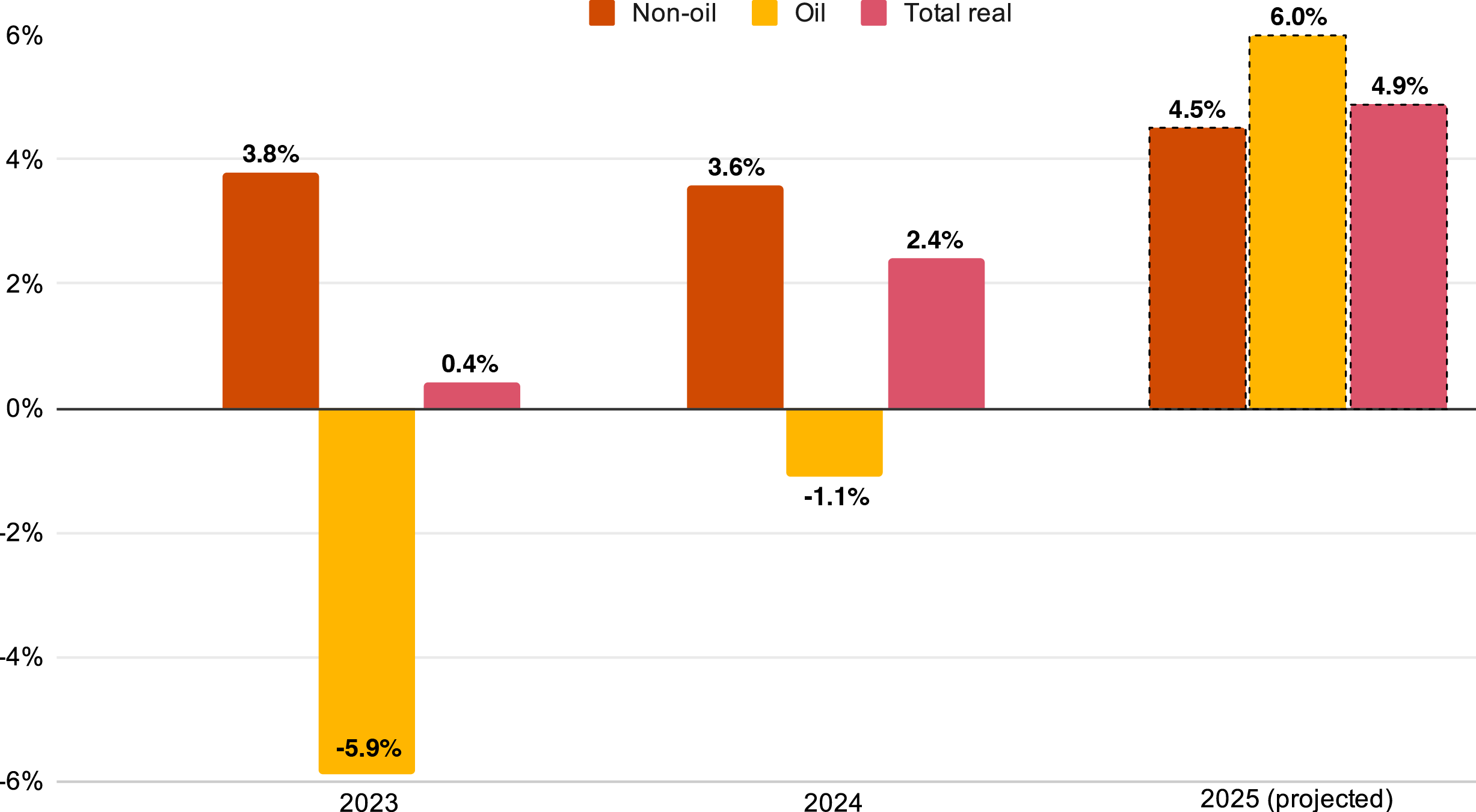
The UAE's non oil sector expanded by more than 6% in 2023. This is not a temporary pivot. It is a structural transformation redefining economic influence and capital allotment in the region. The launch of in 2016 marked a turning point. Public Mutual Fund (PIF) properties have grown from around $150 billion in 2015 to over $700 billion in 2024, positioning it amongst the largest sovereign wealth funds internationally.
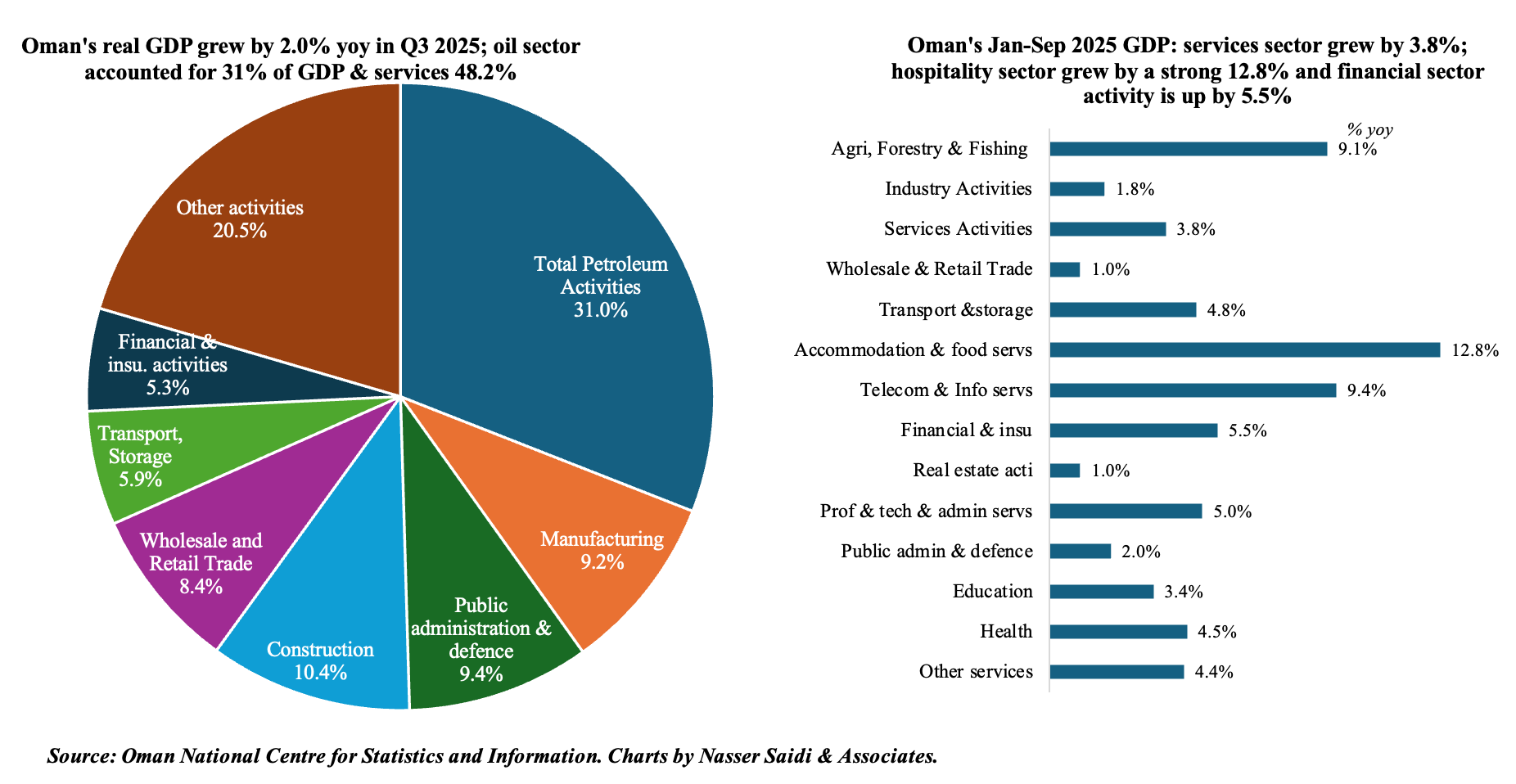
Oman and Bahrain have pursued fiscal debt consolidation and logistics driven diversity. These methods work as economic operating systems coordinating guideline, capital implementation, facilities advancement, and foreign financial investment destination.
The UAE brought in more than $22 billion in FDI inflows in 2023, ranking amongst the top worldwide receivers. QatarEnergy devoted over $30 billion to LNG expansion while parallel investments streamed into technology and sovereign portfolios abroad. Facilities, tourism, technology, sustainable energy, and logistics are now absorbing capital as soon as focused in upstream oil tasks.
Top Foreign Investment Trends across GCC Market
Diversification is not just financial it is geopolitical. Economic power is increasingly determined by: Control over worldwide logistics corridors Sovereign wealth fund influence in global markets Technological communities Ability to bring in international skill The UAE has placed itself as an international monetary and logistics hub. Saudi Arabia is leveraging scale and domestic need to reshape regional supply chains.
As non-oil sectors expand, financial strength improves. Break even oil rates have slowly decreased in some GCC states due to diversified revenue streams, including barrel, corporate taxes, and financial investment earnings. Capital streams within the region are likewise changing. Riyadh is emerging as a regional headquarters center following Saudi localization guidelines.
Saudi Arabia led the area in IPO proceeds in 2023-2024, while the UAE continues to control in startup financing and tech environment maturity. This redistribution of financial gravity is gradually recalibrating local impact.
Will GCC Industrial Success Exceed Global Averages?
The GCC is stagnating "away" from oil it is moving beyond reliance on it. Hydrocarbons will remain main to fiscal strength and sovereign investment capacity. Nevertheless, the tactical shift lies in transforming oil wealth into diversified financial power. By 2030, non-oil sectors are projected to contribute the majority of incremental GDP growth throughout the area.
The transformation underway is redefining both local hierarchy and worldwide capital combination.
Sweeping changes are pertaining to countries in the Gulf Cooperation Council (GCC). The United Arab Emirates (UAE) and the Kingdom of Saudi Arabia (KSA), long reliant on hydrocarbon exports, are charting a vibrant brand-new course towards financial diversification. Regional production and manufacturing are at the forefront of the shift, along with growing sectors, consisting of tourist, retail, and technology.

Latest Posts
Advantages of Scaling Manufacturing Projects in Middle East

How Industrial Diversification Will Shape GCC Markets

Why GCC Industrial Diversification Fuels 2026 Growth