All Categories
Featured
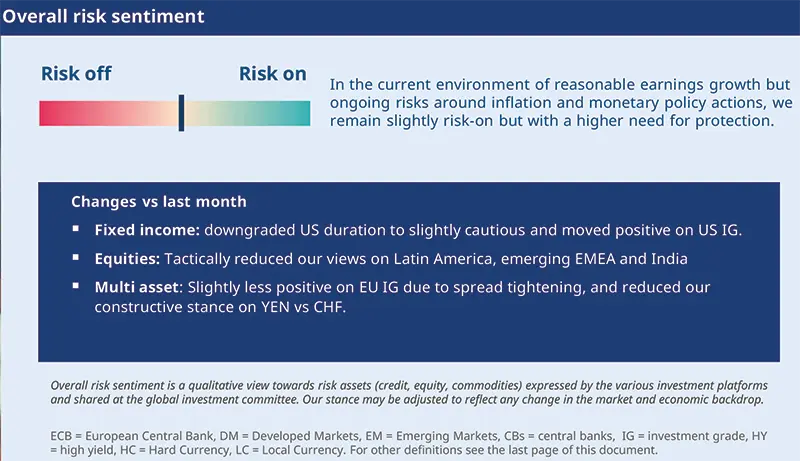
Frameworks for Asset Diversification in 2026 World Markets
Table of Contents
, chapter 1, pages 1-29, Palgrave Macmillan. 2012/271, International Monetary Fund., MIT Press, vol.
(consisting of those not matched with items on Concepts) These are the products that the majority of frequently cite the very same works as this one and are cited by the exact same works as this one. 16( 1 ), pages 69-84, February. 31( 2 ), pages 257-275, April.
Benefits of Scaling Manufacturing Projects in GCC
39( 10 ), pages 2346-2365, October. Fatiha Talahite, 2012. "," Revue Tiers-Monde, Armand Colin, vol. 0( 2 ), pages 143-160. Anna-Lena Maier, 2021. "," Journal of International Organization Policy, Palgrave Macmillan, vol. 4( 4 ), pages 476-495, December. Jieming Zhu & Tingting Hu, 2009. "," Environment and Planning A,, vol. 41( 7 ), pages 1629-1646, July. Anthony GO Yeh & Fiona F Yang & Jiejing Wang, 2015.
Bahrain’s Public Sector Transformation: A Blueprint for the GCC52( 15 ), pages 2822-2848, November. Mazaheri Nimah, 2013. "," Service and Politics, De Gruyter, vol. 15( 3 ), pages 295-321, October. Laura Routley, 2012. "," Global Advancement Institute Working Paper Series esid-003-12, GDI, The University of Manchester. Duckett, Jane, 2001. "," World Advancement, Elsevier, vol. 29( 1 ), pages 23-37, January. El-Haddad Amirah, 2020. "," Evaluation of Middle East Economics and Finance, De Gruyter, vol.
42( 8 ), pages 1369-1390, July. 9( 1 ), pages 1-38, December. 7( 1 ), pages 1-19, May.
26( 4 ), pages 543-566, April. 7( 2 ), pages 1-22, May. When asking for a correction, please mention this item's handle: RePEc: ehl: lserod:55252.
This enables to link your profile to this product. It likewise permits you to accept prospective citations to this item that we doubt about. If CitEc recognized a bibliographic reference however did not link a product in RePEc to it, you can aid with this kind . If you know of missing out on products citing this one, you can assist us producing those links by including the appropriate references in the same method as above, for each refering item.
Why GCC Becoming Global Industrial Powerhouse?
For technical questions concerning this product, or to fix its authors, title, abstract, bibliographic or download details, contact: LSERO Manager (e-mail offered below). General contact details of service provider: . Please note that corrections might take a couple of weeks to filter through the numerous RePEc services.
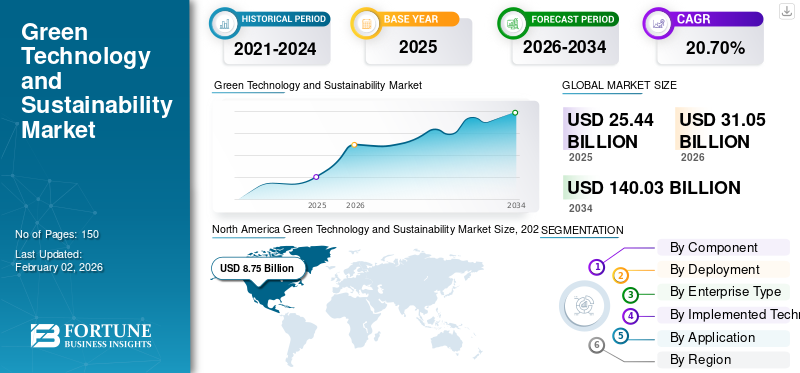
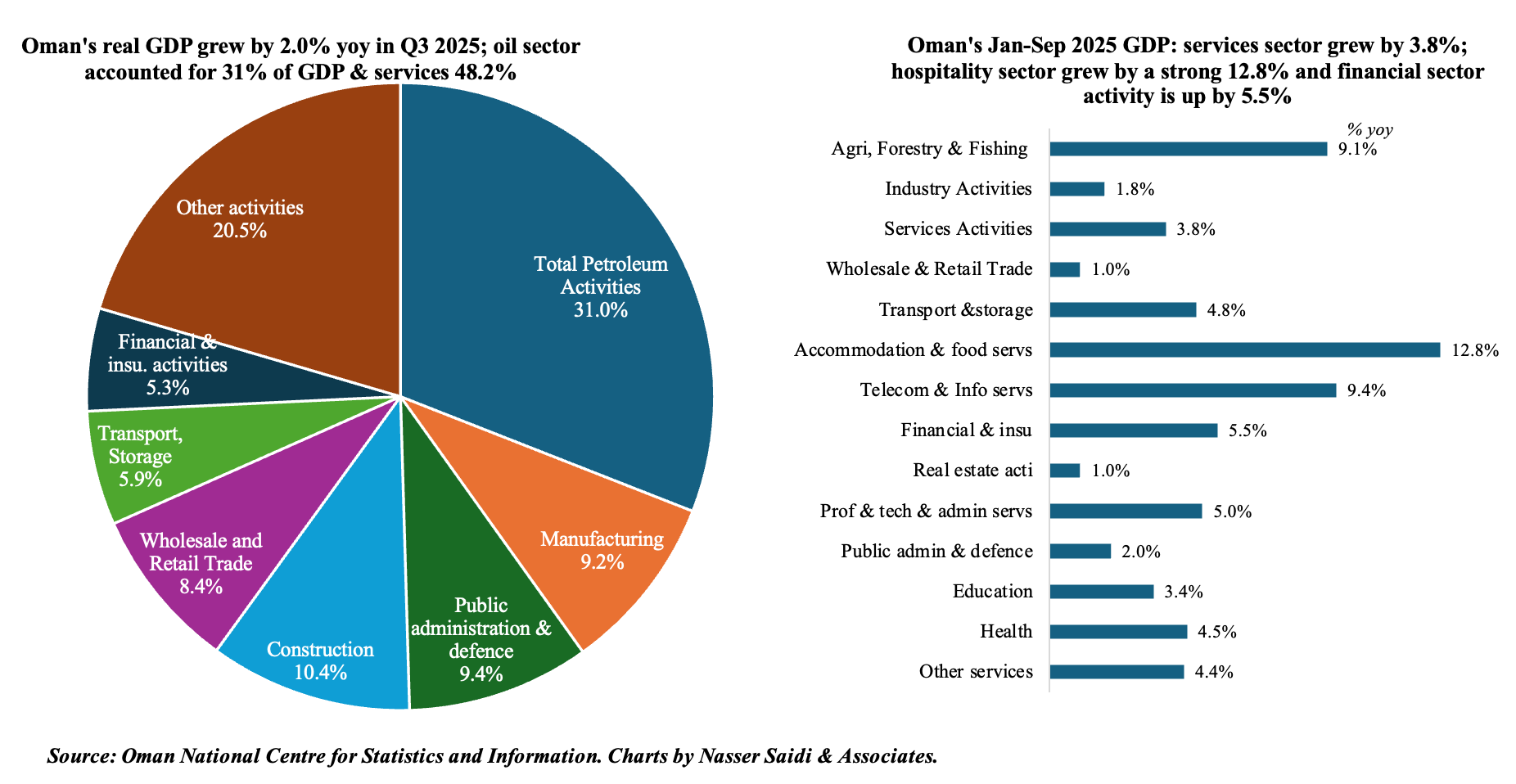
Economic diversity is the procedure of transitioning an economy away from reliance on a single sector or source of earnings to multiple sectors and markets. This kind of financial shift is currently underway in the Gulf Cooperation Council (GCC) region, where Bahrain, Kuwait, Oman, Qatar, Saudi Arabia and the United Arab Emirates are experiencing fast socio-economic transformation.
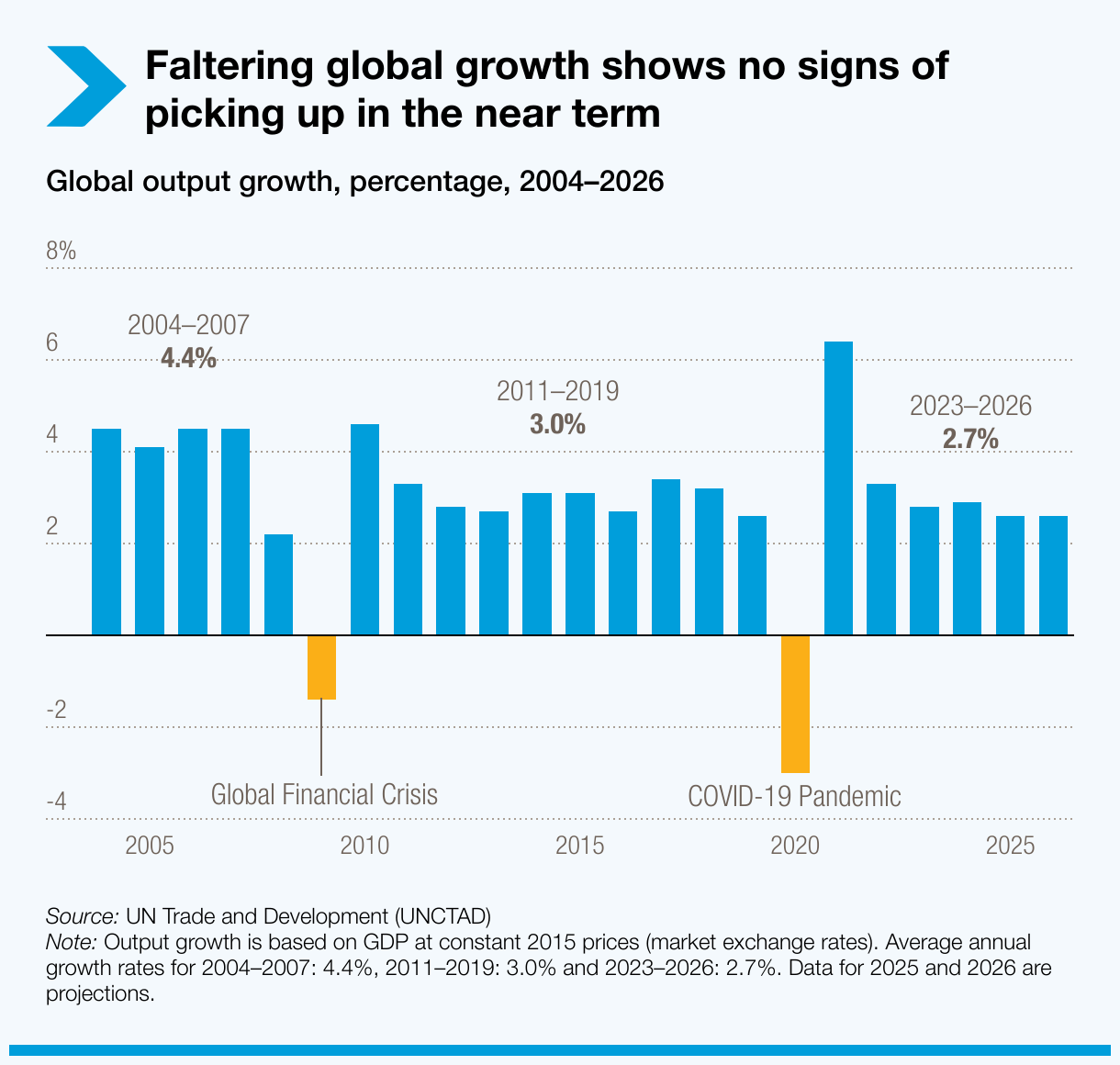
The GCC area is going through a transformative stage concentrated on financial diversity and sustainable development. Historically reliant on oil and gas, GCC economies are now striving to diversify their revenue sources through enthusiastic government-led initiatives like Saudi Vision 2030 and We the UAE 2031 that shift focus from high-risk, vulnerable and/or high-carbon markets and sectors to economies.
Refining Capital Pipelines for the Next-Gen Gulf Economy
A strong motorist behind economic diversity and green transition plans in the GCC is the well-documented effect of environment change in the region being experienced now and in the future. The World Bank approximates that approximately 100 million individuals in the Middle East, including the GCC, will suffer from water stress by 2025, with parts of the region expected to become uninhabitable by the end of the century due to water deficiency and heats.

Latest Posts
Advantages of Scaling Manufacturing Projects in Middle East

How Industrial Diversification Will Shape GCC Markets

Why GCC Industrial Diversification Fuels 2026 Growth