All Categories
Featured
Essential Global Capital Opportunities across the GCC Economy
Sub-Saharan African countries represent around one-third of the total, followed by Latin America and the Middle East (the latter 2 together accounting for over 40% of the overall). Consisting of, there has been an (from 90.3 in 2000-04 to 92.6 and 92.3 in the five years pre- and post-pandemic ).
and ranked greater than others; UAE is up more than 45 locations in 2024 compared to 2000 while Qatar climbed 24; both Saudi Arabia and Oman increased 17 ranks during the duration. The trapped or even worse off countries are some parts of Latin America and Sub-Saharan Africa where structural improvement has actually stalled.
shows a significant increase in typical EDI scores from 86.8 in 2000-04 to 92.6 in 2020-24, (up more than 10 points in the initial period versus 2020-24). with UAE exceeding in the trade sub-index (supported by recent bilateral trade arrangements & non-oil exports push). vs its pre-pandemic reading (partly given the rise in medium & modern manufacturing information).
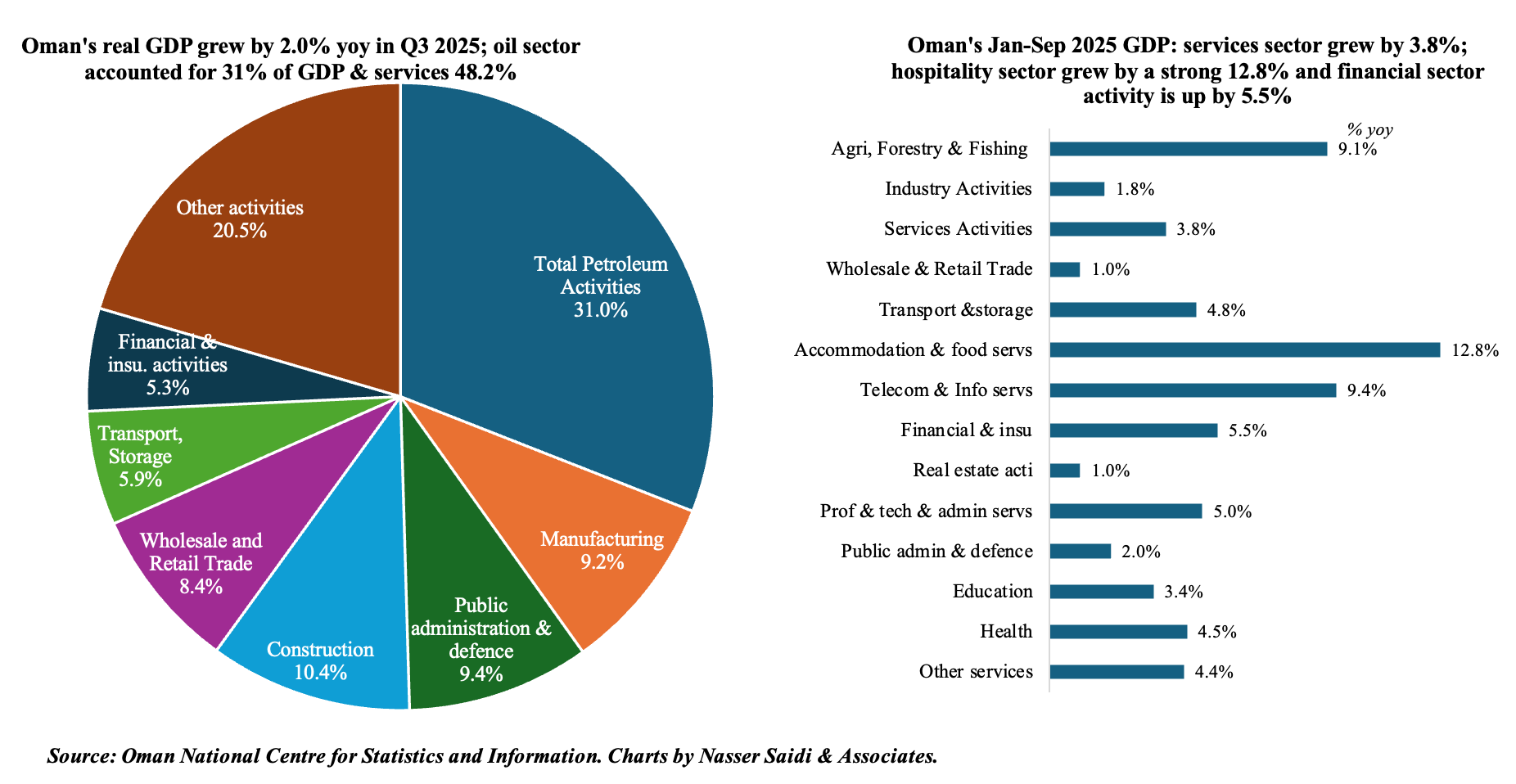
Its diversification metrics have stagnated, showing the least improvement in between the initial (2000-04) and last (2020-24) reference periods., in spite of the headwinds of OPEC+ production cuts. A robust non-hydrocarbon growth was supported by the GCC's robust domestic demand (supported by a strong job pipeline and application) and strong services sector performance.
Is the Middle East Becoming Global Industrial Powerhouse?
Kuwait and Saudi Arabia clocked in an increase in non-hydrocarbon revenue, "mainly reflecting non-hydrocarbon tax base growths and income collection performance enhancements", according to the IMF. In the existing geopolitical environment characterized by magnifying, it remains in the very best interests of product reliant countries to diversify its export base, exports and trade partners.

Latest Posts
Advantages of Scaling Manufacturing Projects in Middle East

How Industrial Diversification Will Shape GCC Markets

Why GCC Industrial Diversification Fuels 2026 Growth